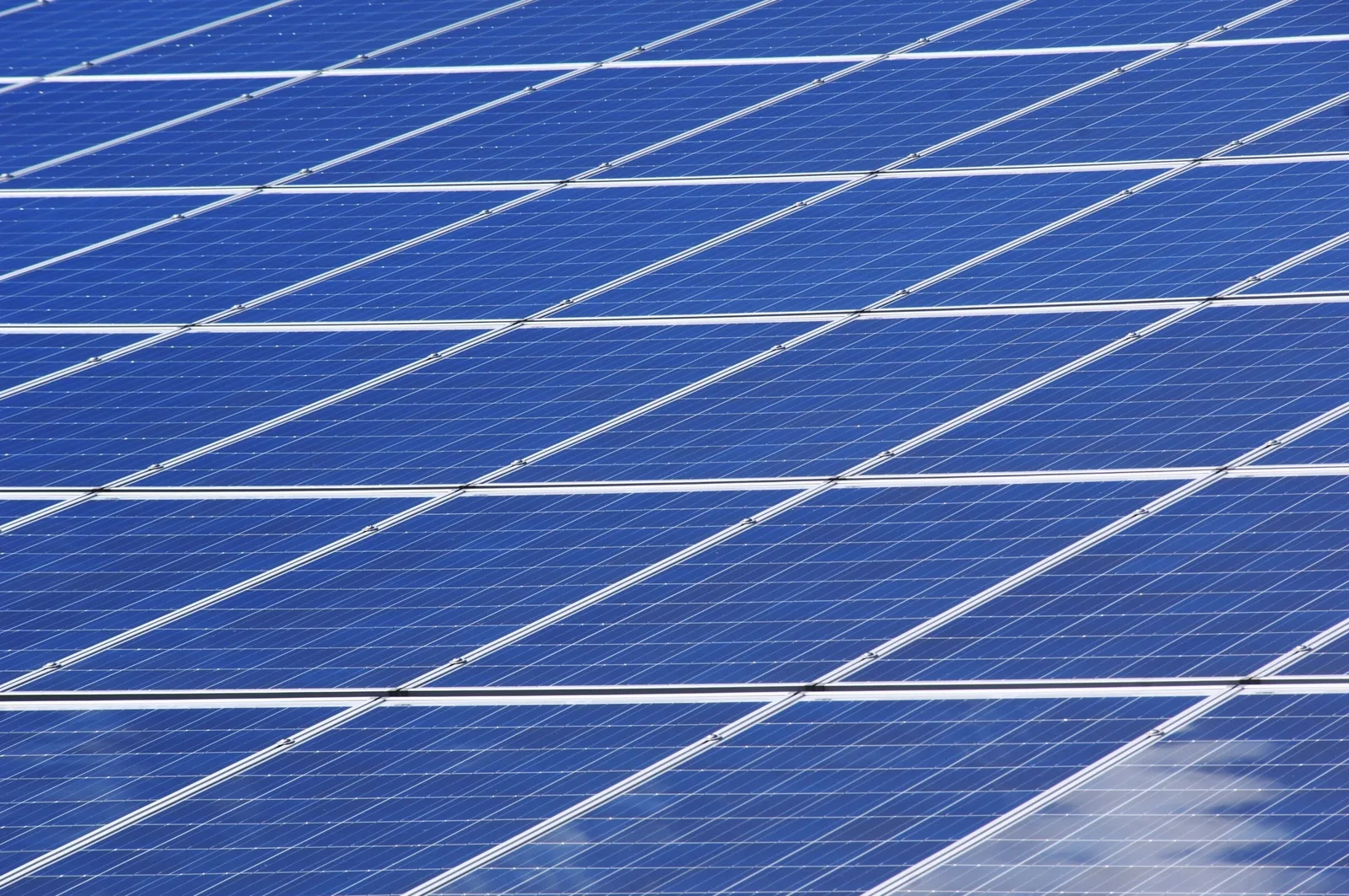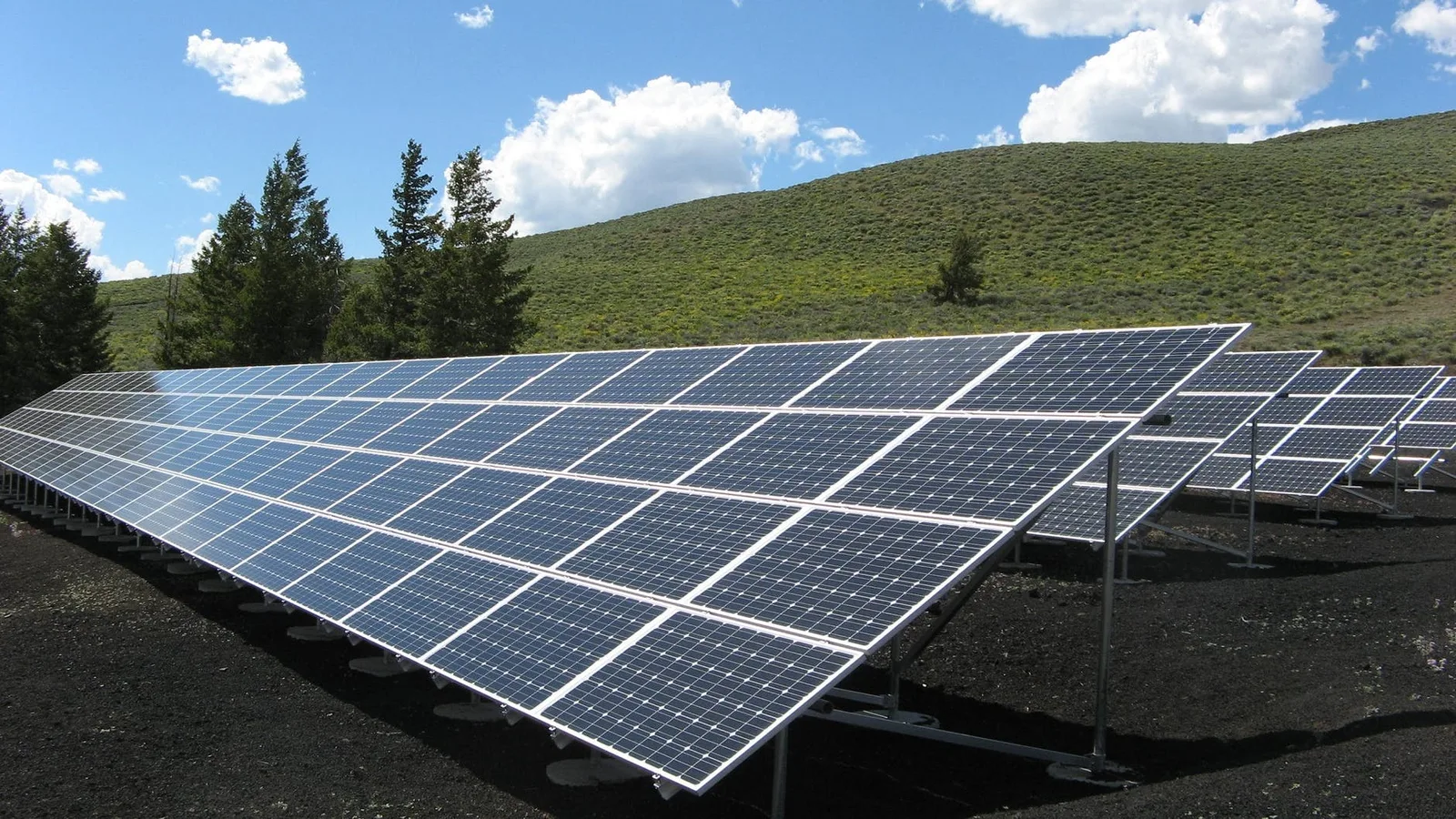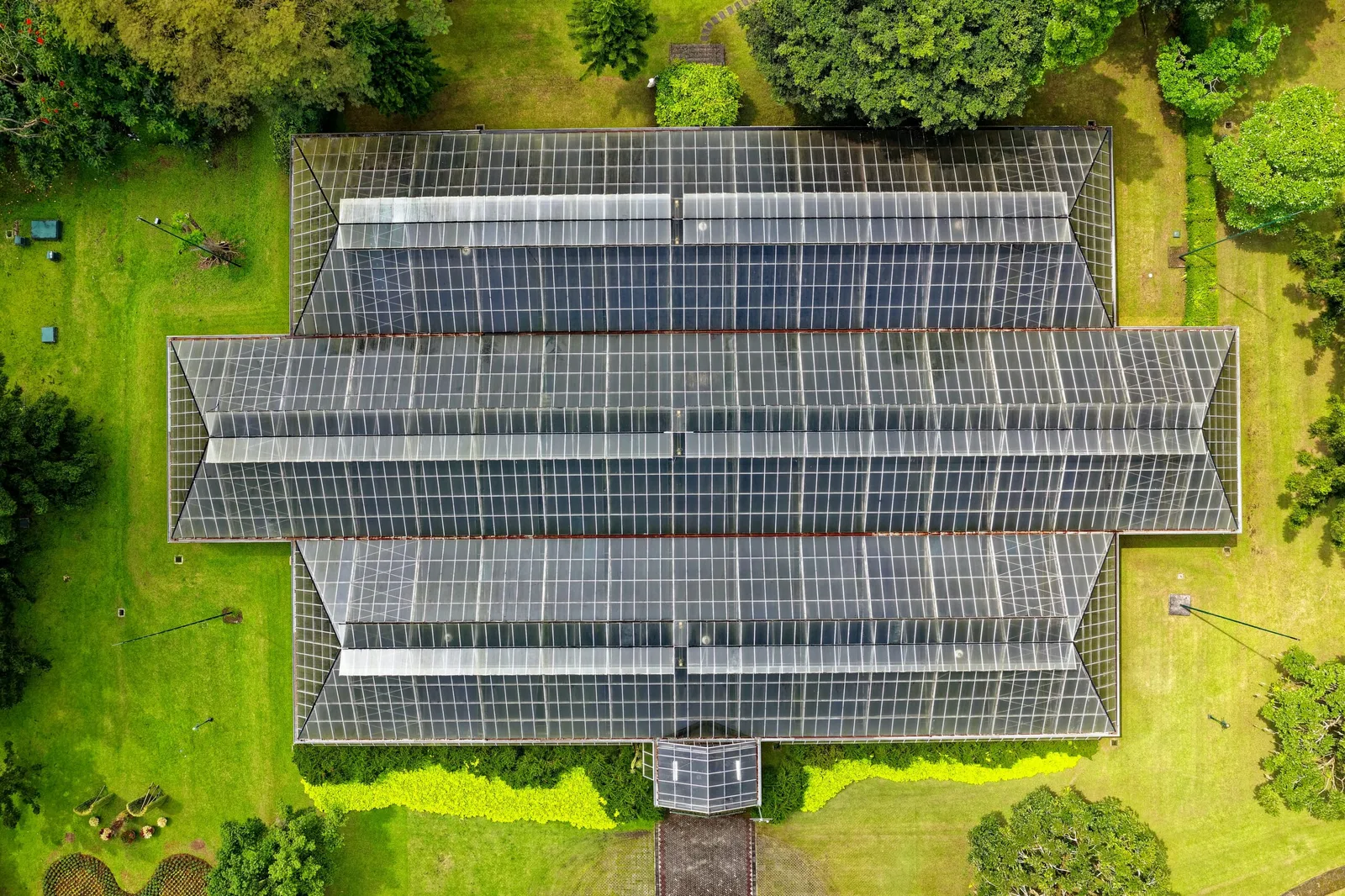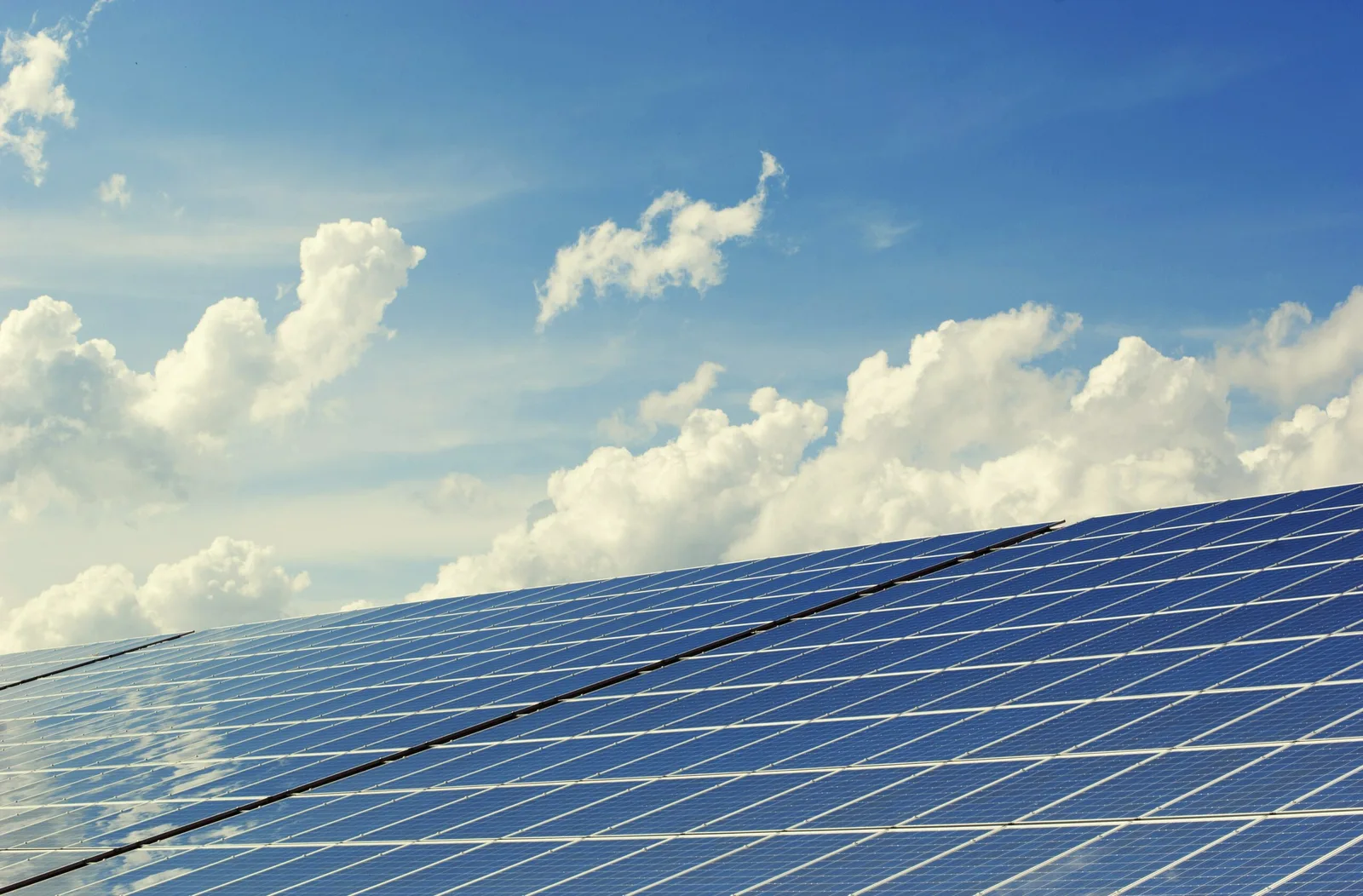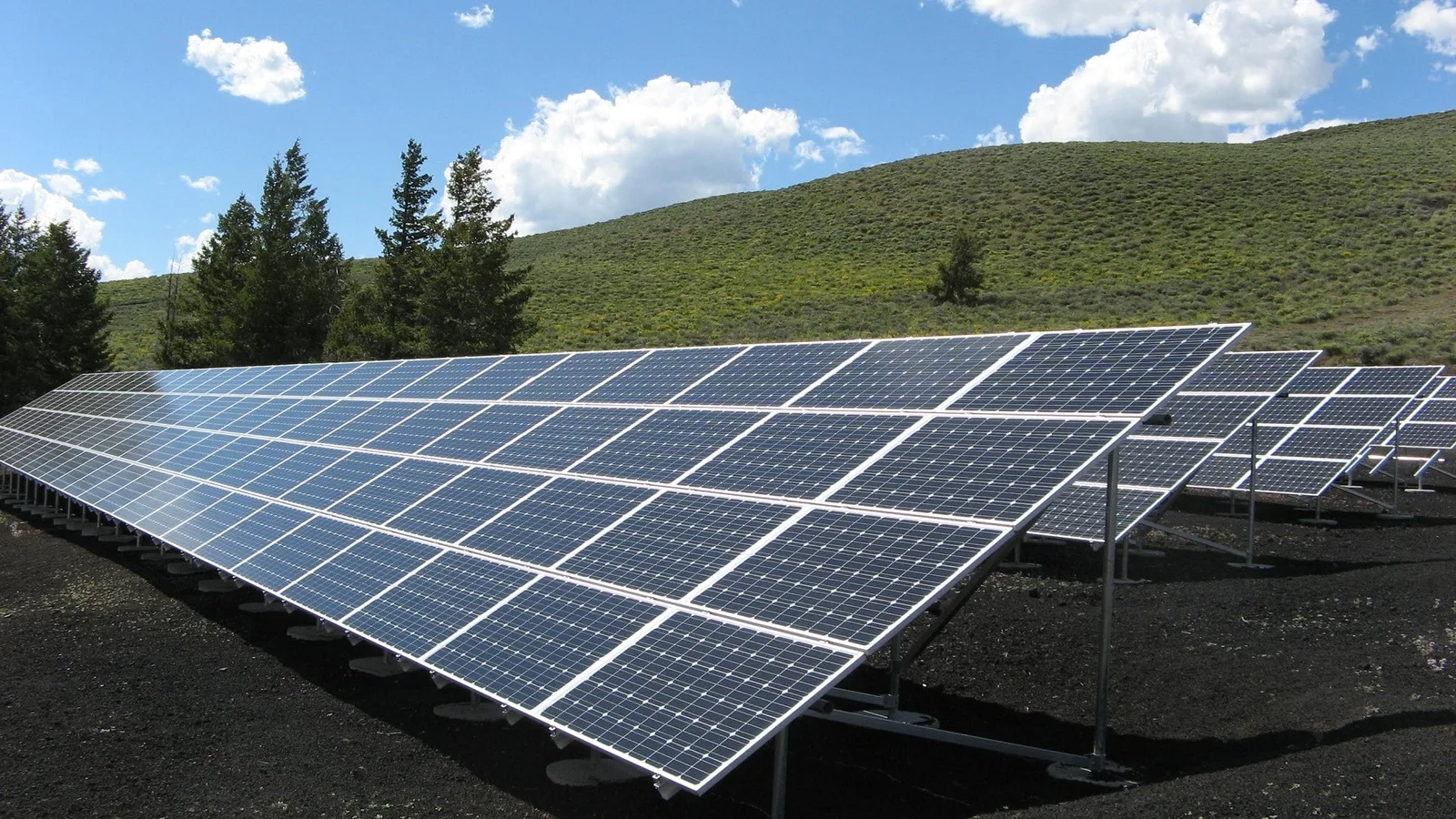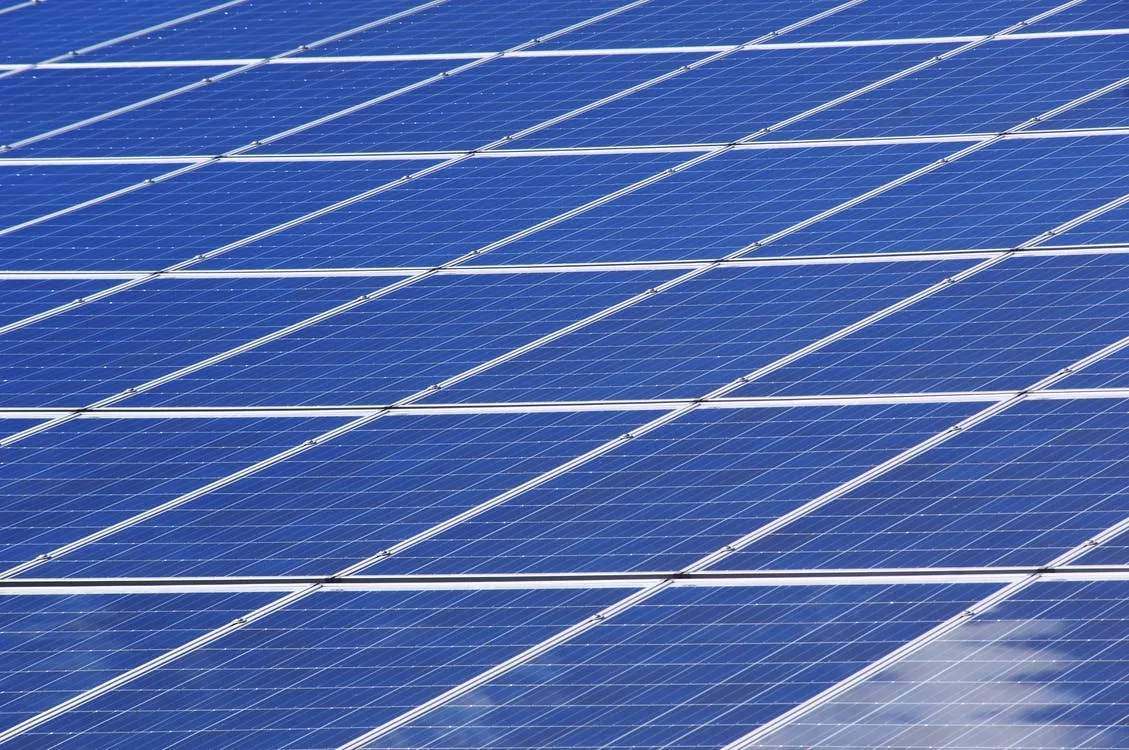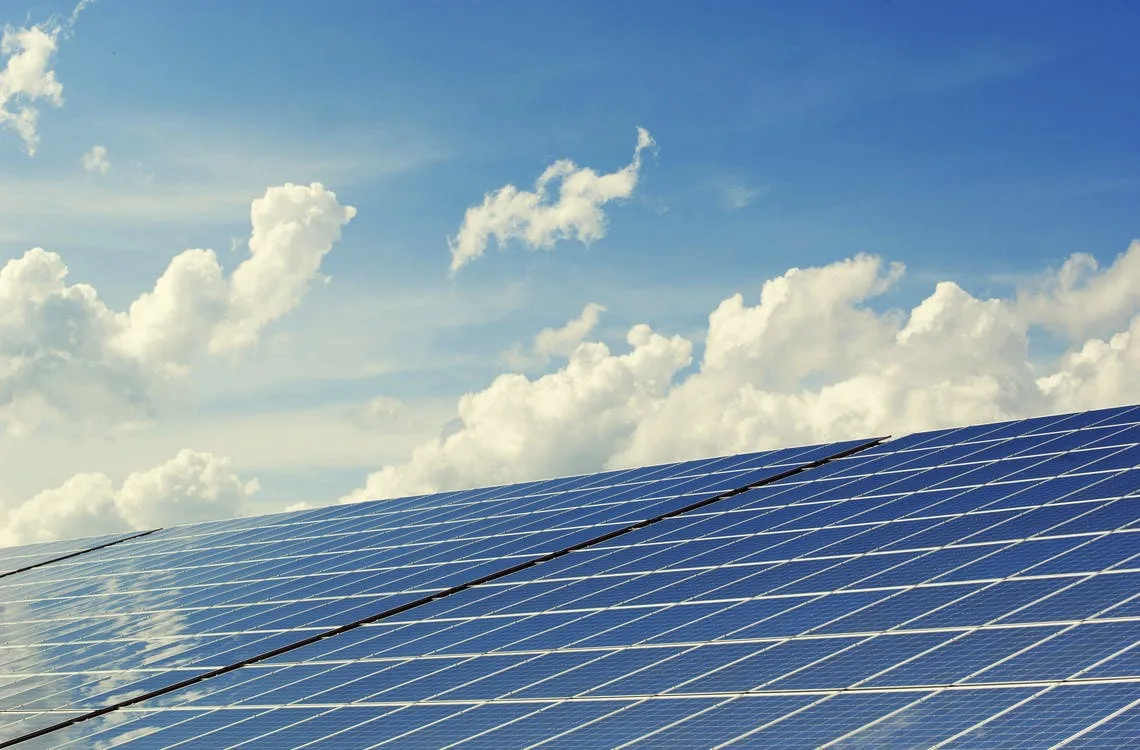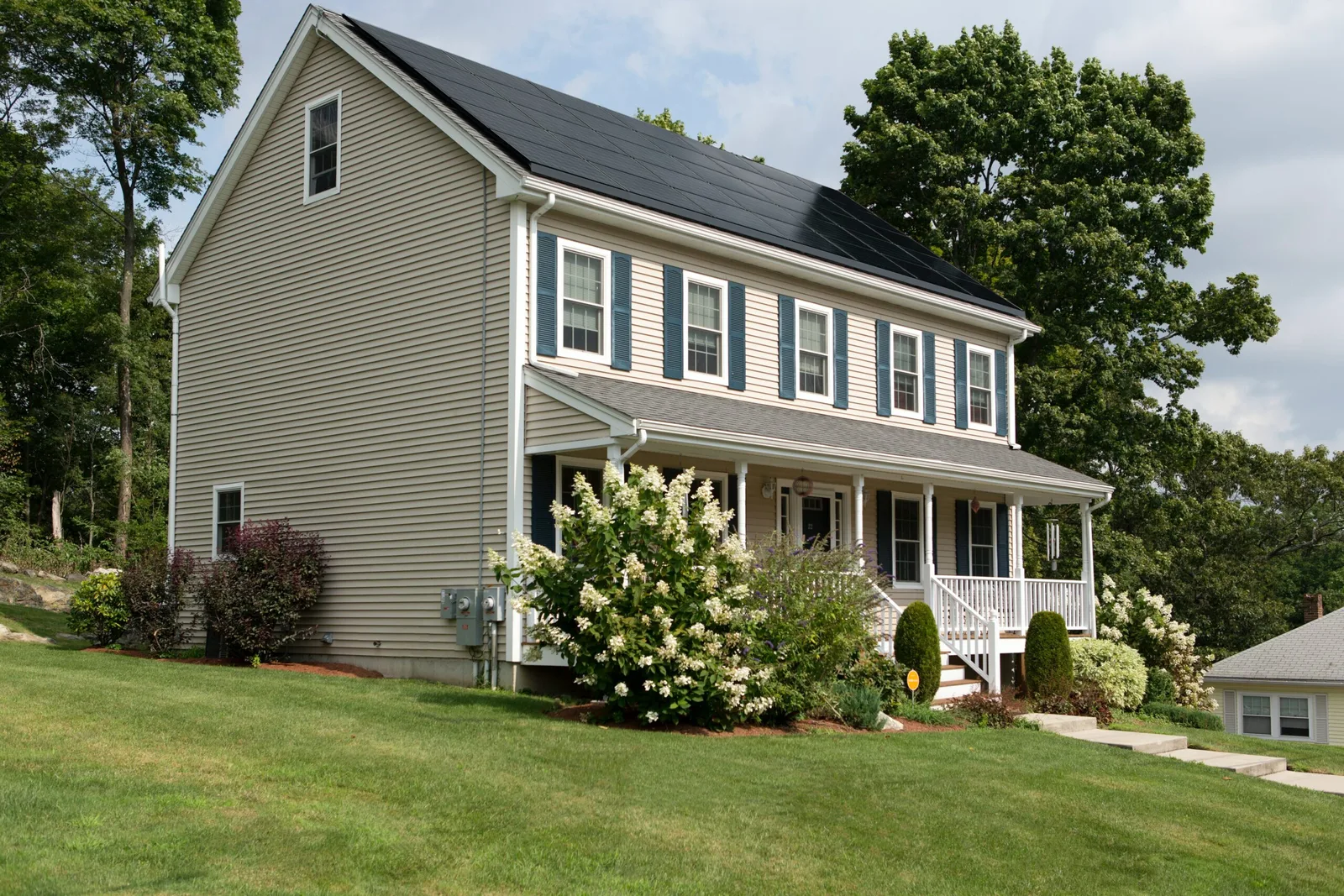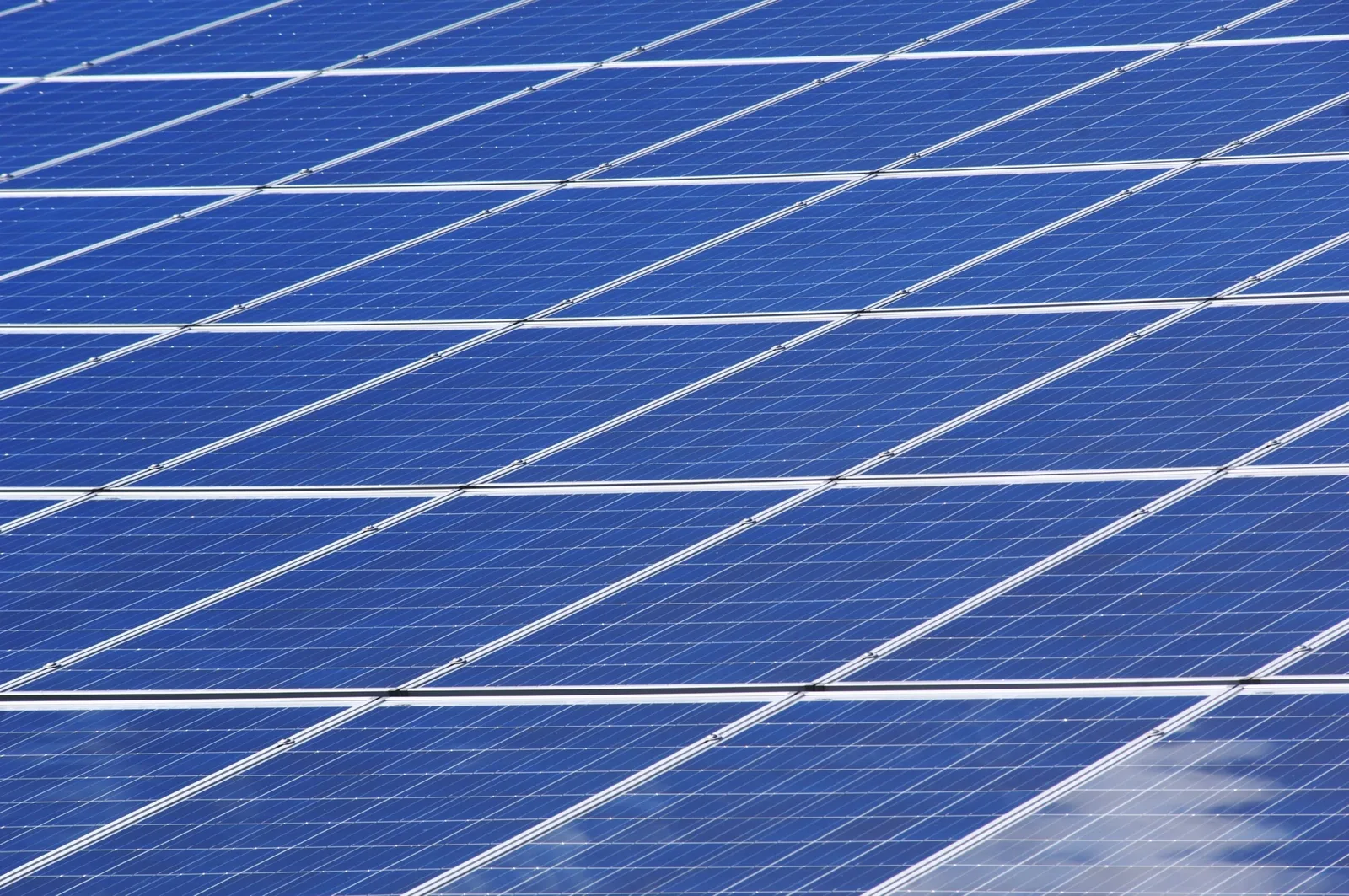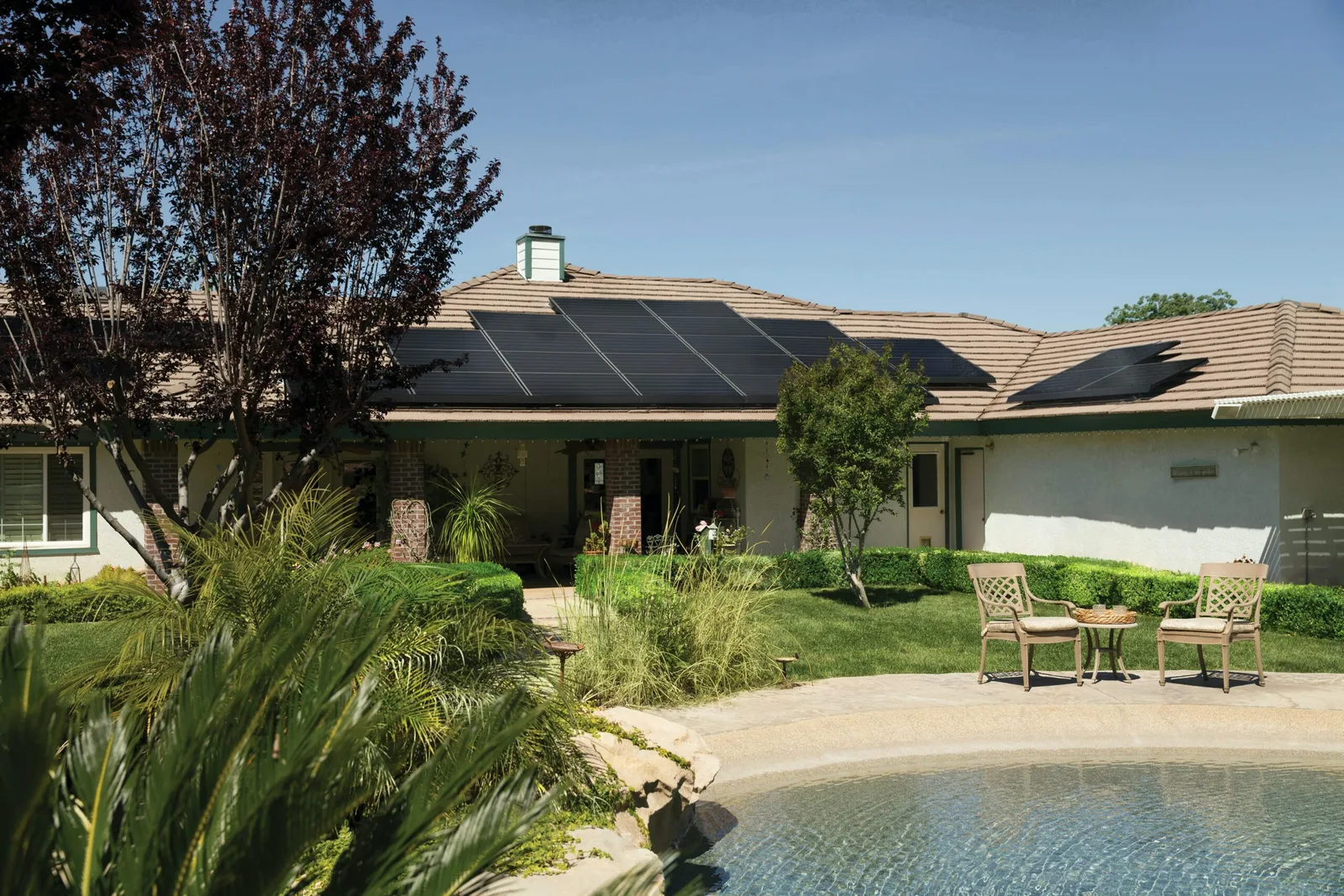

Solar panels are the heart of any solar setup, whether that’s a folding panel on a camping table or a row of panels on a roof. This category covers panels by size and use, how they’re made and mounted, how long they last and what they cost. The aim is to help you understand what a panel can realistically do before you choose one, and to make it clear where a project needs a professional.
Portable panels
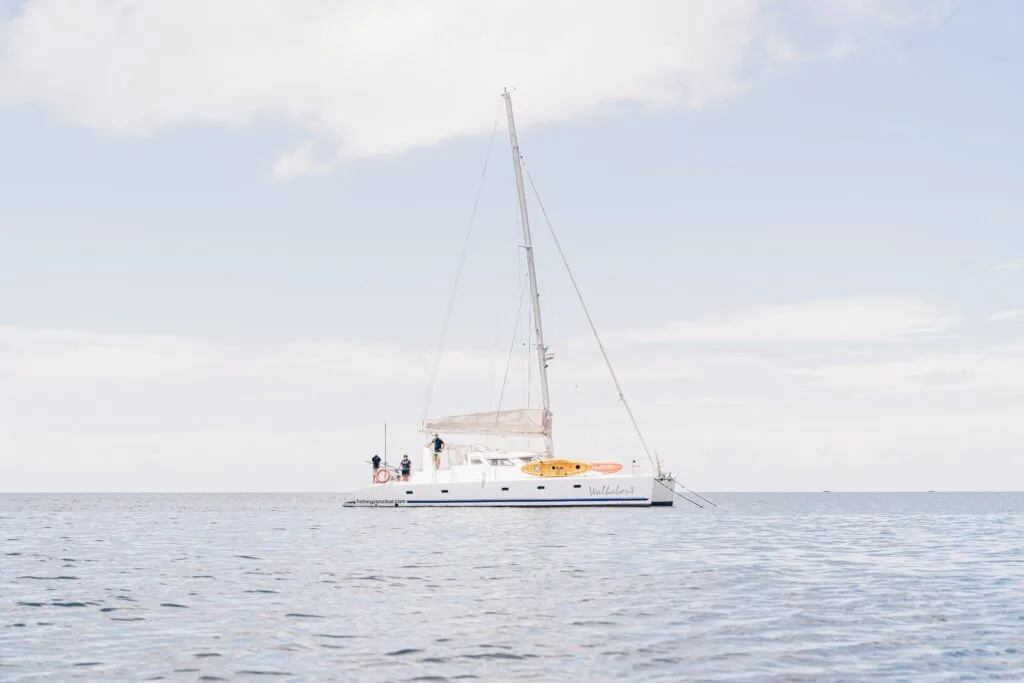
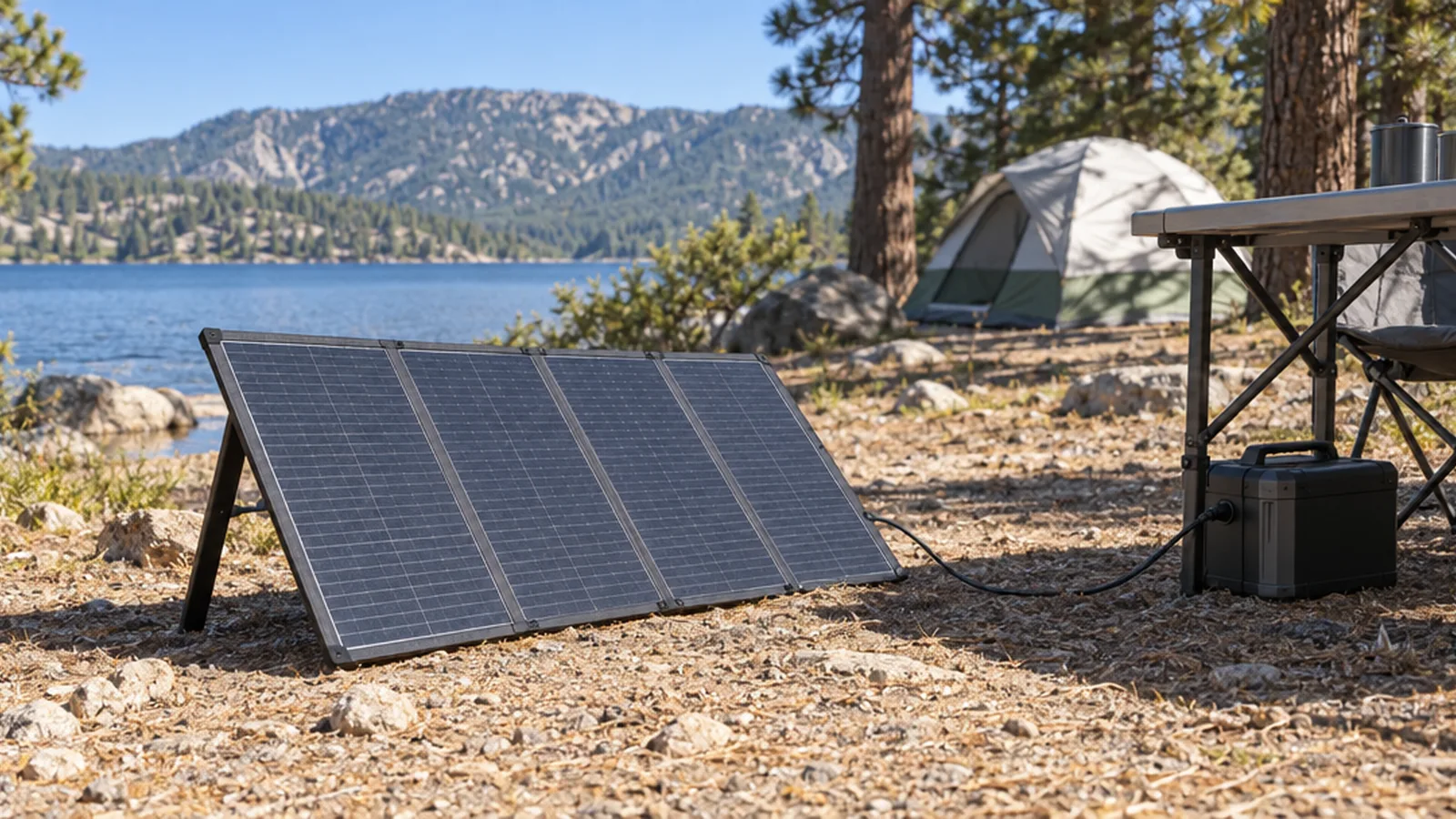
Portable panels are the first of the two main sub-topics in this category. They include folding camping panels, lightweight flexible panels, panels for cars, and panels for sailboats and other small boats. These are the panels most people handle themselves, because they usually charge a battery or a portable power station rather than a home.
Questions to ask before buying a portable panel
Start with what the panel needs to charge and how quickly, since that decides the wattage you need. Check the output connectors and whether the panel needs a separate charge controller for your battery. Think about weight, folded size and how the panel will be propped toward the sun. Flexible panels can follow a curved deck or roof, but they’re usually more sensitive to heat and to repeated bending than rigid panels.
Panel facts
Panel facts is the second main sub-topic, and it gathers plain explainers rather than buying guides. These cover how long solar panels last and how they degrade, how they’re made, how hot they get, why they’re usually blue, why they cost what they do, and the real disadvantages of solar energy.
Why the facts matter when you’re shopping
Understanding degradation helps you judge a warranty. Understanding heat helps you see why a panel’s real output on a summer afternoon can fall below its rated wattage. Understanding cost helps you tell a fair price from a marketing claim.
Sizing panels by watts and amps
Some guides compare panels by their rated output, such as 300-watt panels or larger kits that add up to around 1,000 watts. Others look at panels by current, which matters when you’re matching a panel to a charge controller or a battery bank. A rated wattage is measured under standard test conditions, so real output depends on sun angle, temperature, shade and the weather.
Mounting, wiring and inverters
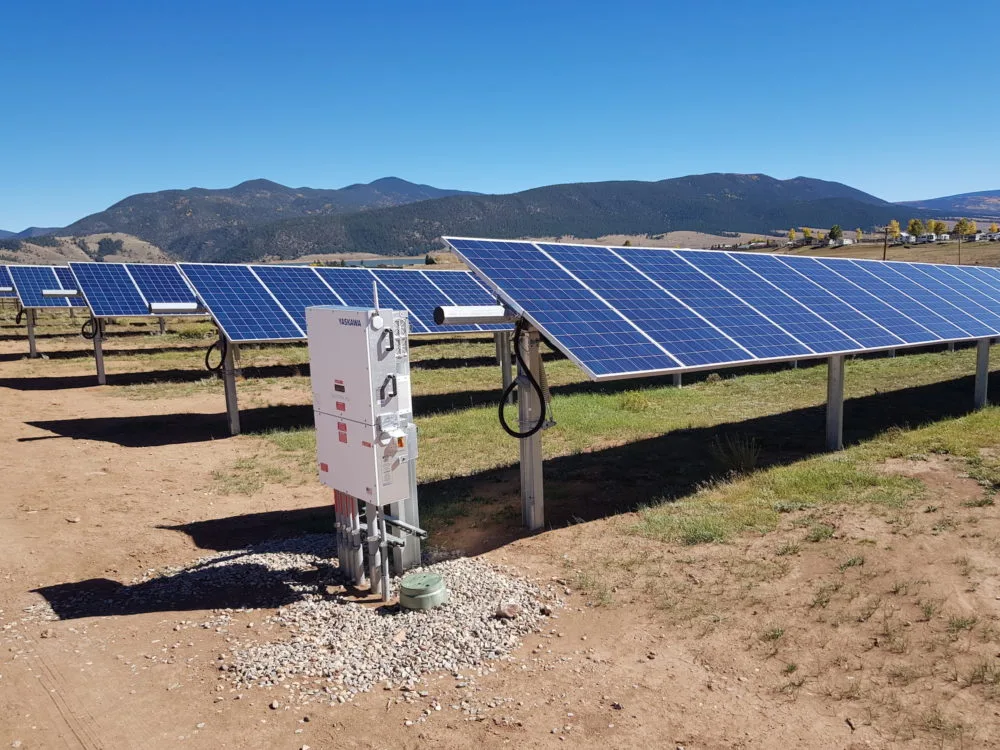
This category also covers the parts that connect a panel to the rest of a system. That includes mounting hardware and do-it-yourself mounting for sheds, RVs and ground frames, solar wire and connectors, and inverters, including how microinverters and power optimizer systems differ.
Where do-it-yourself stops
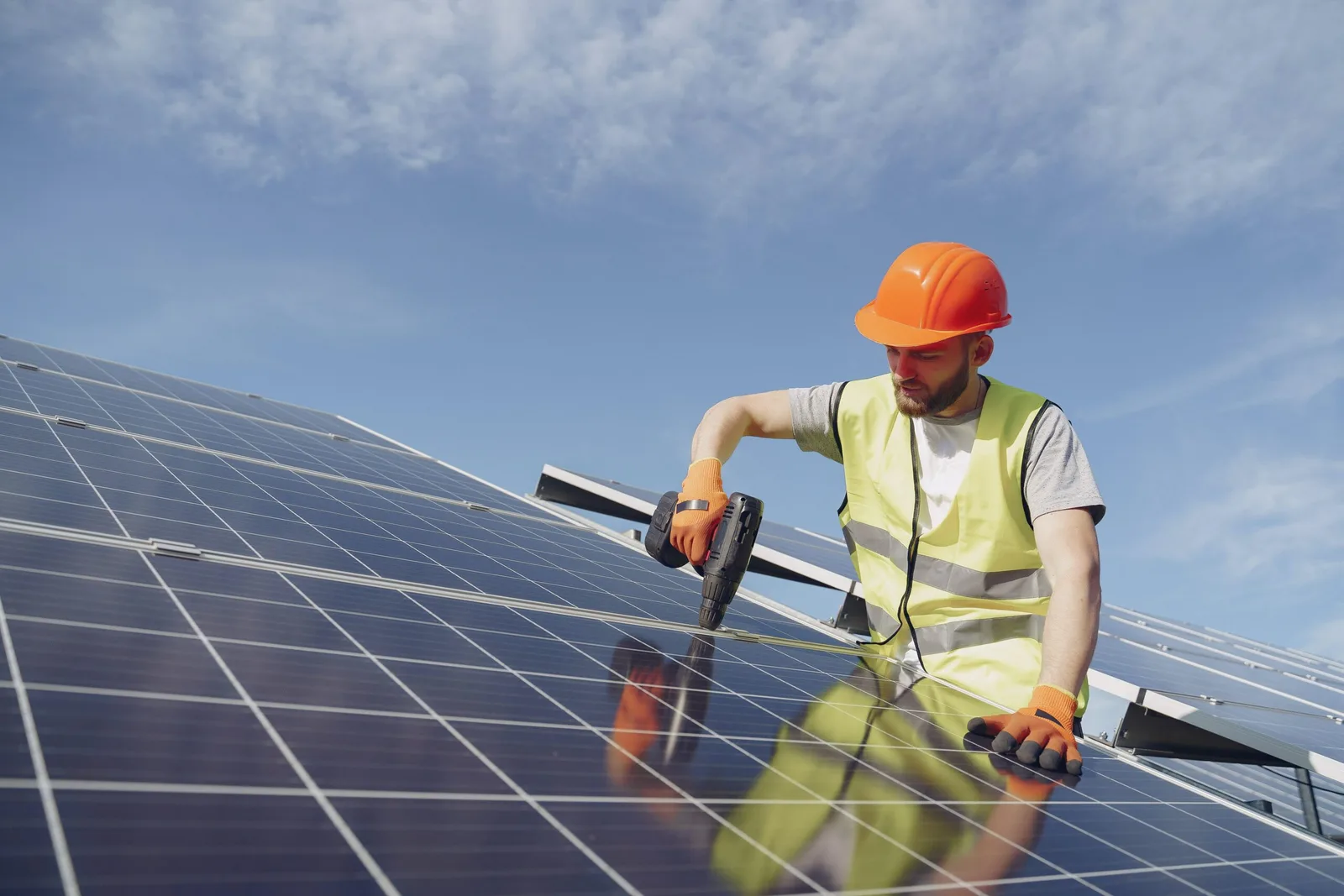
Small, low-voltage setups for a shed, a boat or an RV are within reach for many careful beginners who follow the manufacturer’s instructions. Roof mounting and anything tied into a home’s electrical system are different jobs. They involve fall risk, weatherproofing, permits and local electrical codes, and they belong with a qualified electrician or installer.