
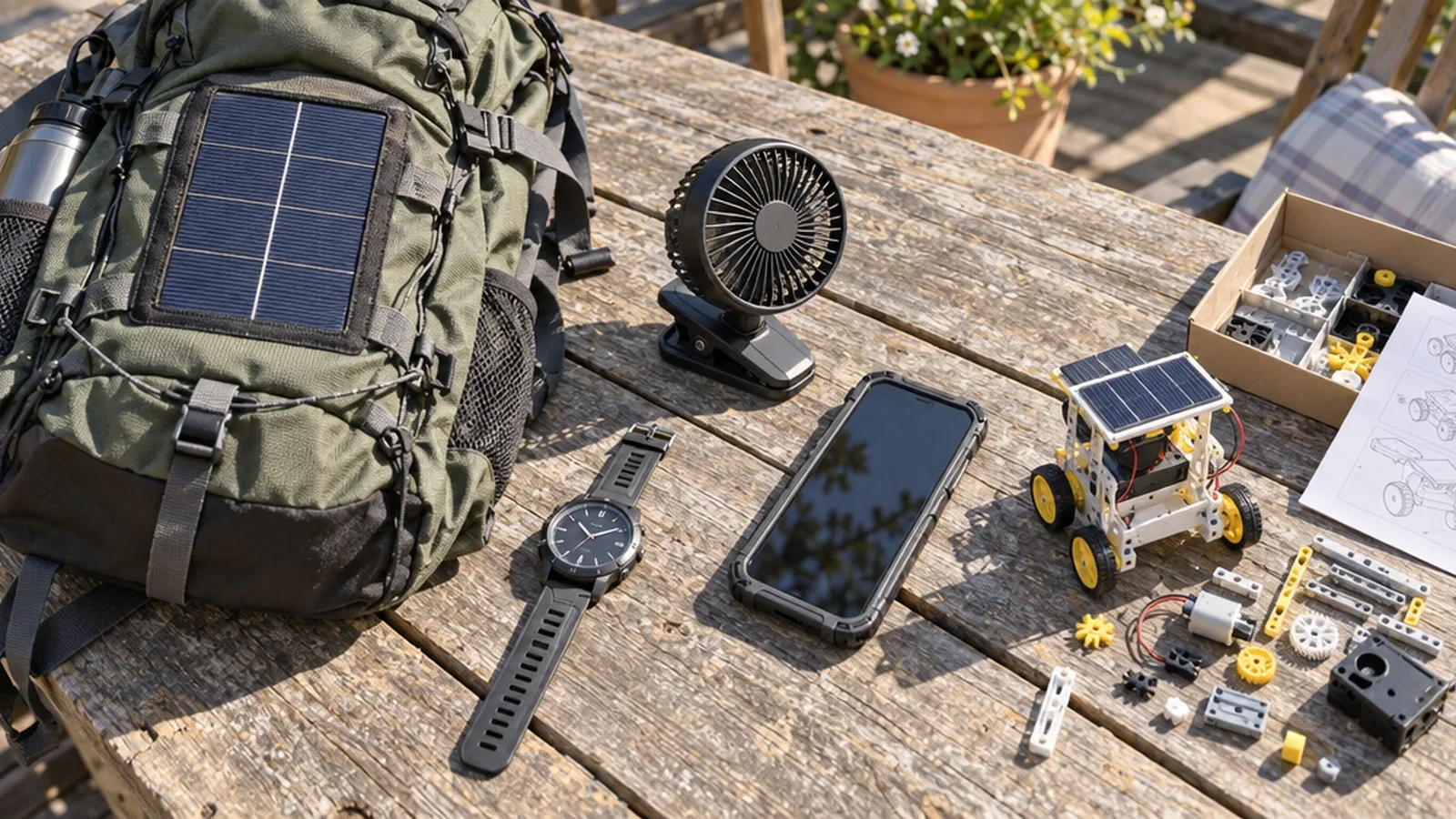
Not every solar product is about lights or batteries. This category covers the smaller solar-powered gadgets and home accessories that people carry, wear and use around the house, from watches and backpacks to fans, window screens and robotics kits. The common thread is setting realistic expectations, because a small surface can only collect so much sunlight.
Solar watches
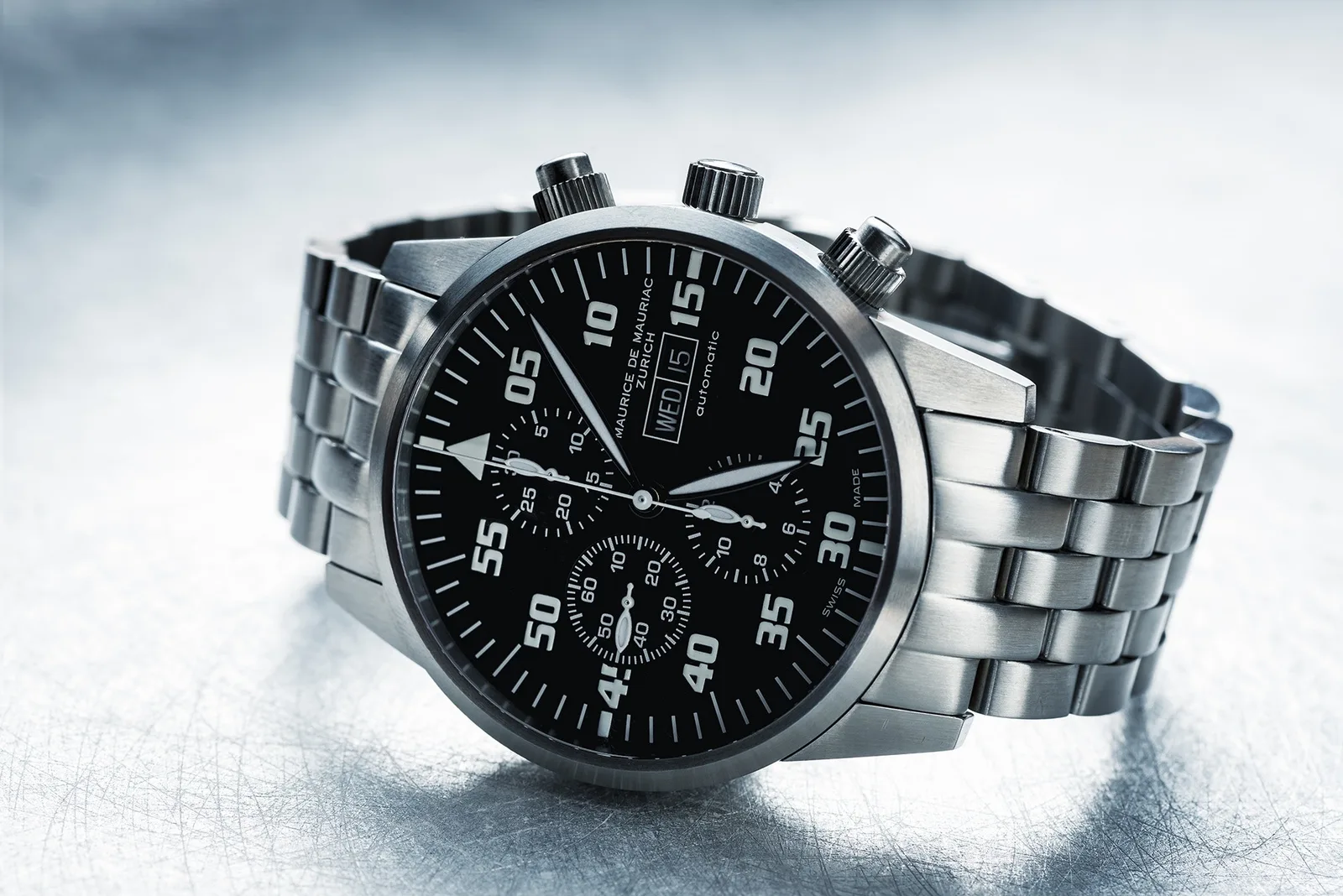
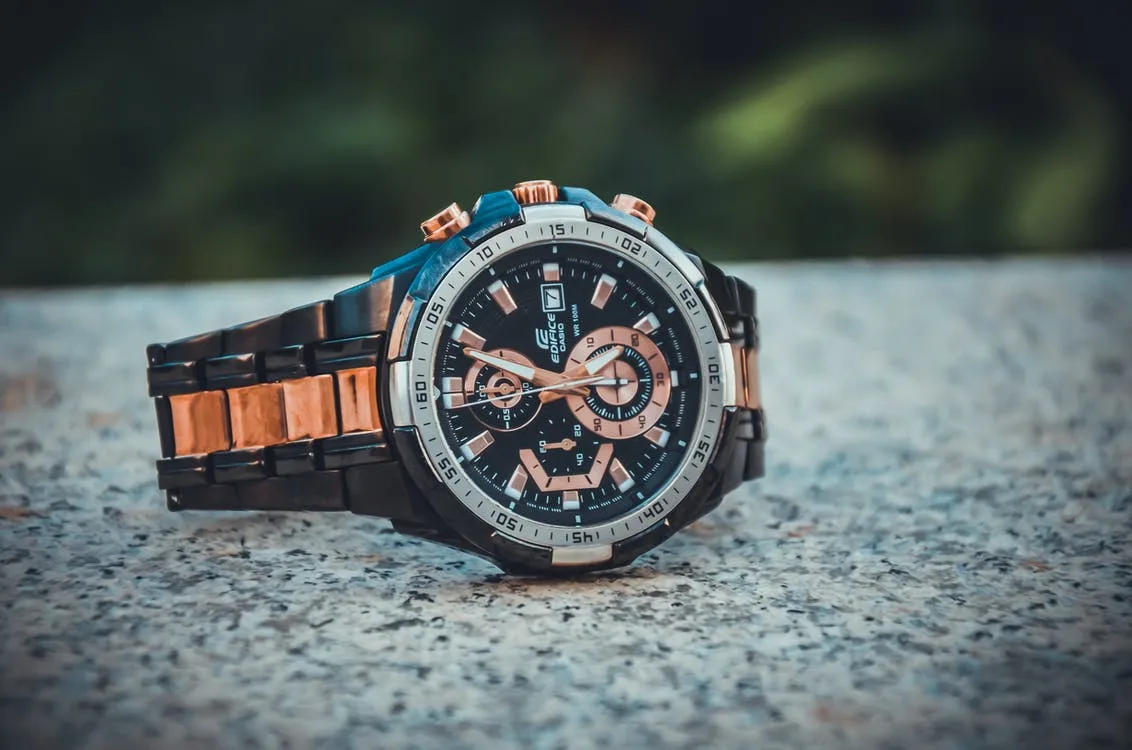
Solar watches use a thin solar cell, often hidden under the dial, to charge a rechargeable cell inside the watch. Because a watch uses very little power, normal daylight and indoor light can keep it running for long stretches without a battery change. Our guides cover how solar watches work and what to look for, including power reserve, water resistance and features such as alarms and timers.
Solar backpacks and phone cases
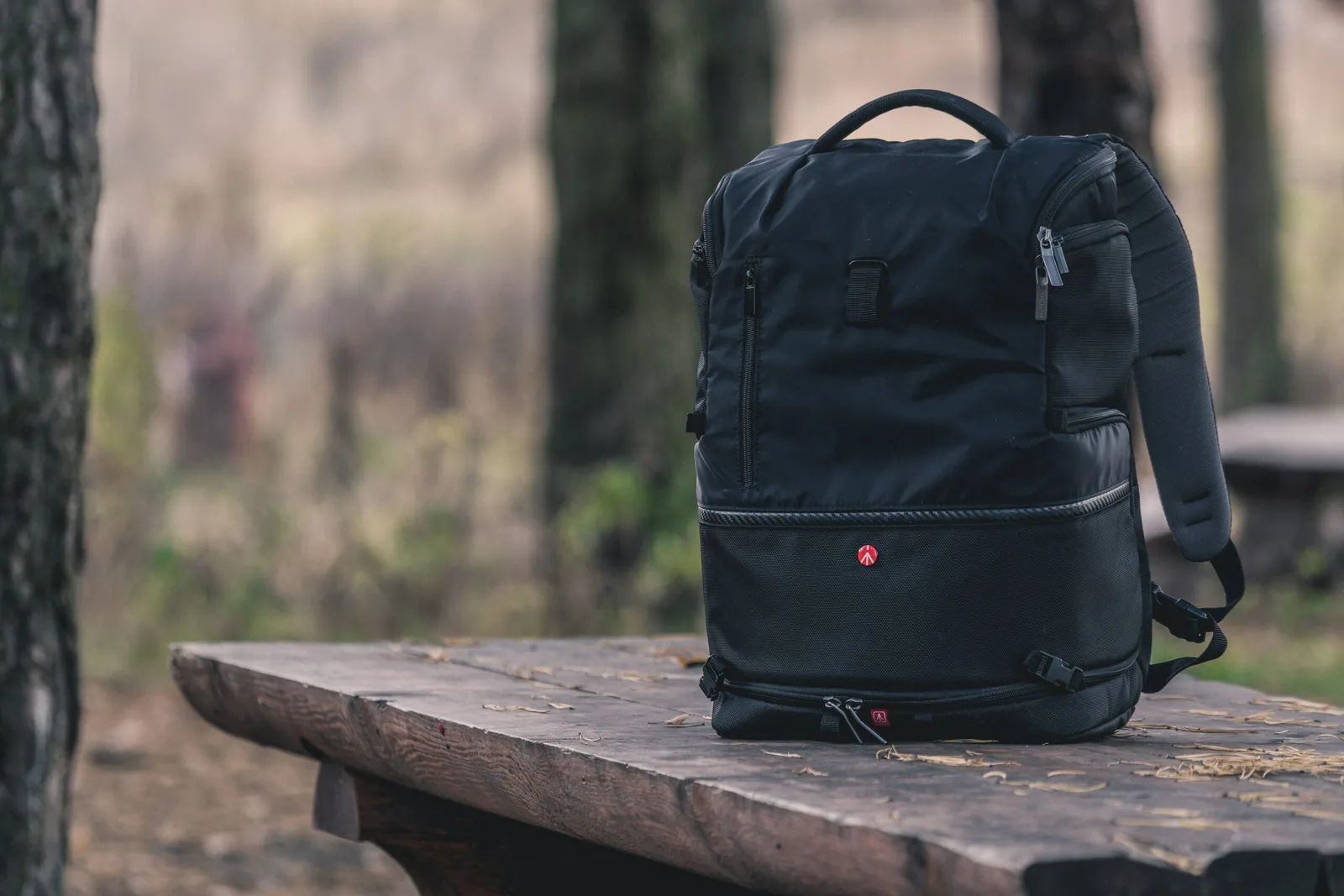
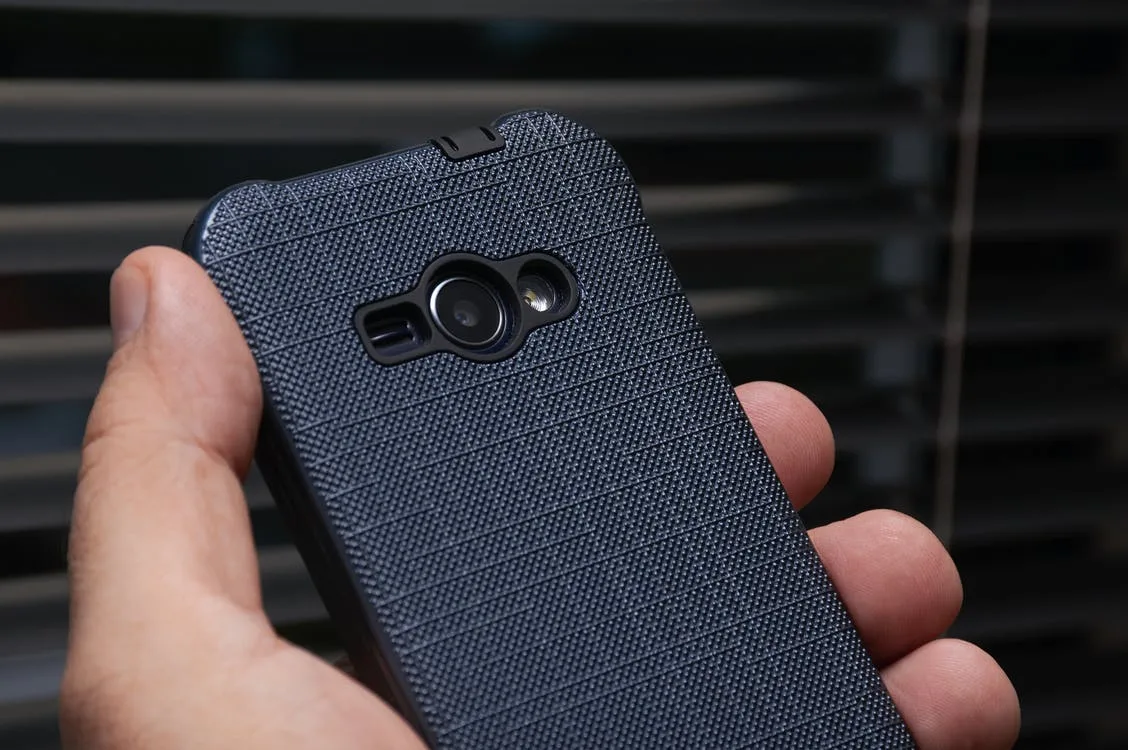
Solar backpacks and phone cases add a small panel to something you already carry. They can help keep a phone or small device topped up on a long day outdoors, but they charge slowly compared with a wall outlet. The guides look at panel size, whether there’s a built-in battery, the connectors they offer and how well the product holds up to everyday use.
Setting realistic expectations
A panel on a backpack or a phone case is small, and it rarely faces the sun squarely while you’re moving. Think of these products as a top-up, not a replacement for charging at home.
Solar fans
Solar-powered fans range from small clip-on and desk fans to ventilation fans for sheds, greenhouses and attics. Some run only while the sun shines, while others store power in a battery. Ventilation fans that are mounted on a roof or wired into a building should be installed according to the manufacturer’s instructions and local codes, and roof work is best left to a qualified professional.
Solar screens
Solar screens are window screens that block a share of the sun’s heat and glare before it reaches the glass. They don’t generate electricity, but in a hot, sunny climate they can make a room more comfortable. Our guides cover how much light they block, how they’re fitted and how they hold up to the weather.
Solar robotics kits
Solar robotics kits let children and curious adults build small machines powered by a solar cell. They’re a hands-on way to learn about energy, circuits and simple mechanics. The guides look at age suitability, how clear the instructions are, the number of builds in a kit and how well the solar cell works indoors.
How to judge any solar gadget
Check the size of the solar cell and whether there’s a battery to store energy. Look for a realistic description of how long charging takes and in what light. Be wary of claims that a small gadget will fully charge a phone or laptop from the sun alone in a short time.