
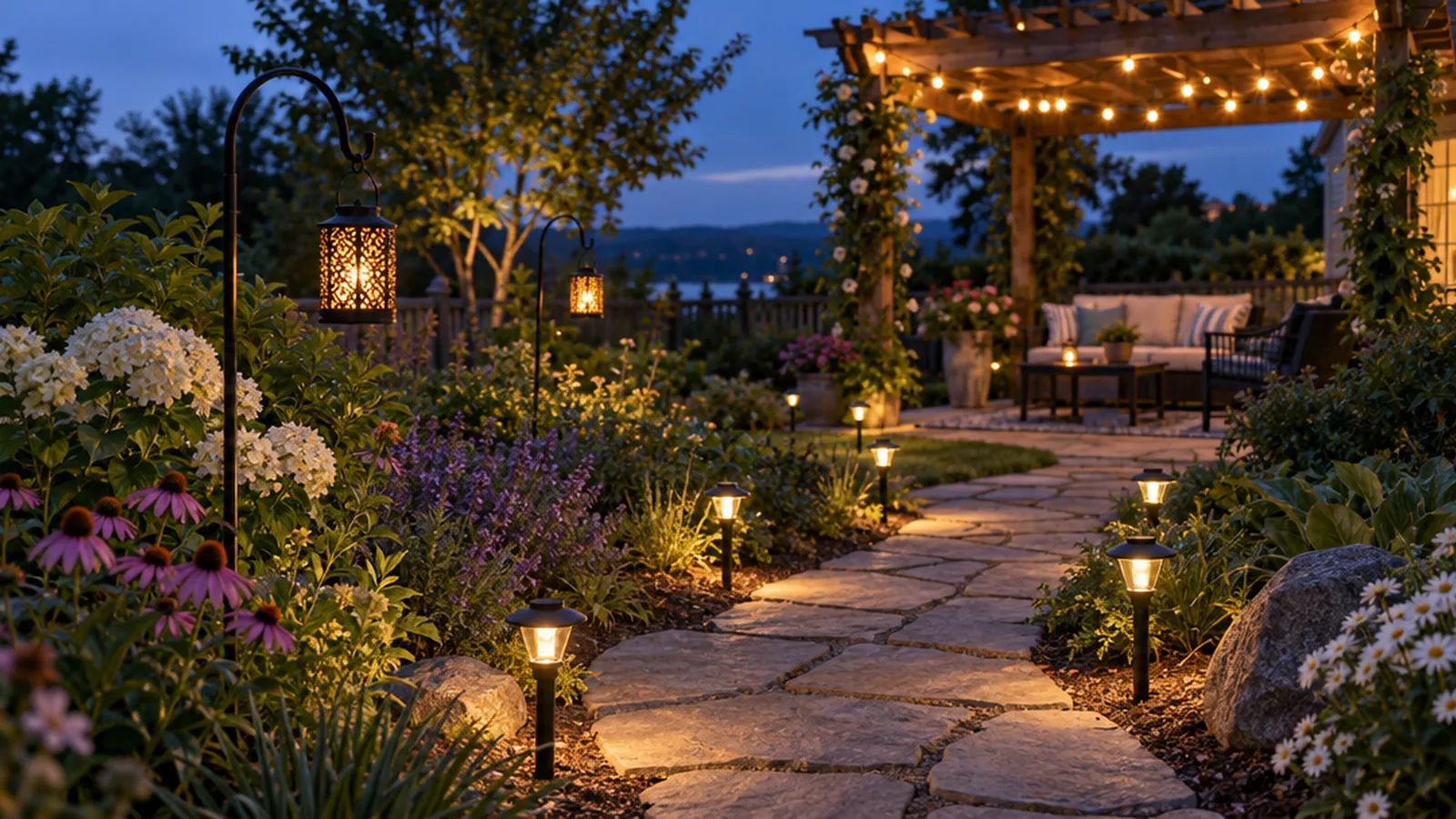
Solar lights are the way most people first try solar power, and they’re also where most people first get disappointed. The good news is that the difference between a light that glows all evening and one that fades by nine o’clock usually comes down to a few things you can check before you buy. This category gathers our guides to solar lights for gardens, yards, holidays, sheds and indoor spaces, along with advice on keeping them working.
How a solar light works
Nearly every solar light has the same four parts, whatever it looks like on the outside.
The panel
A small solar cell charges the light during the day. Its size and its exposure to direct sun matter far more than any runtime claim on the box.
The battery
A rechargeable battery stores that charge, often a nickel-metal hydride cell or a small lithium pack. Battery capacity sets the upper limit on how long the light can run, and batteries are also the part that wears out first.
The controller and dusk sensor
A simple circuit switches the light on at dusk and off at dawn, and in motion lights it also decides when to brighten.
The LEDs
The LEDs make the light, and their brightness is usually listed in lumens. A brighter light drains its battery faster, so brightness and runtime always pull against each other.
Decorative lights
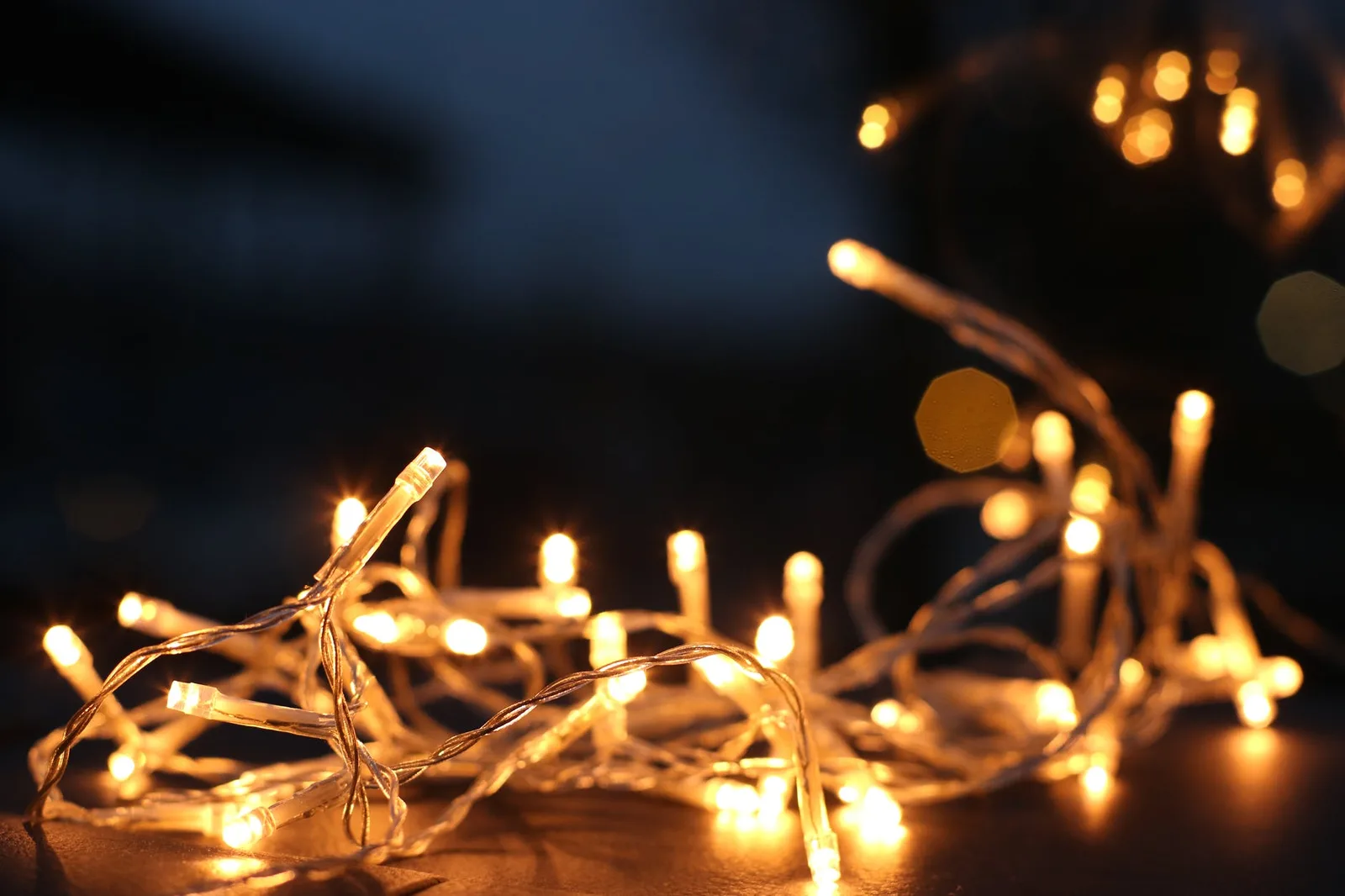
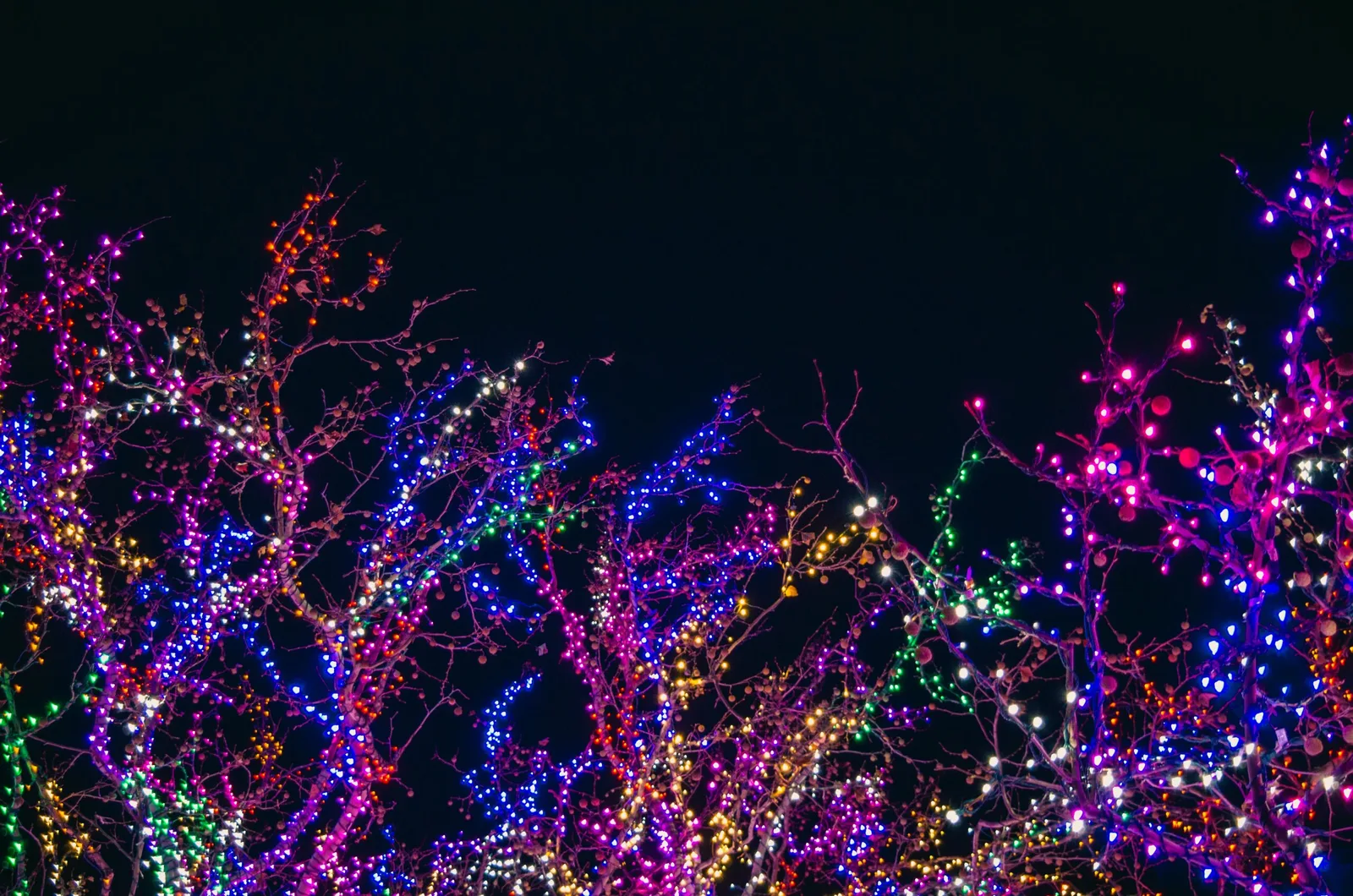
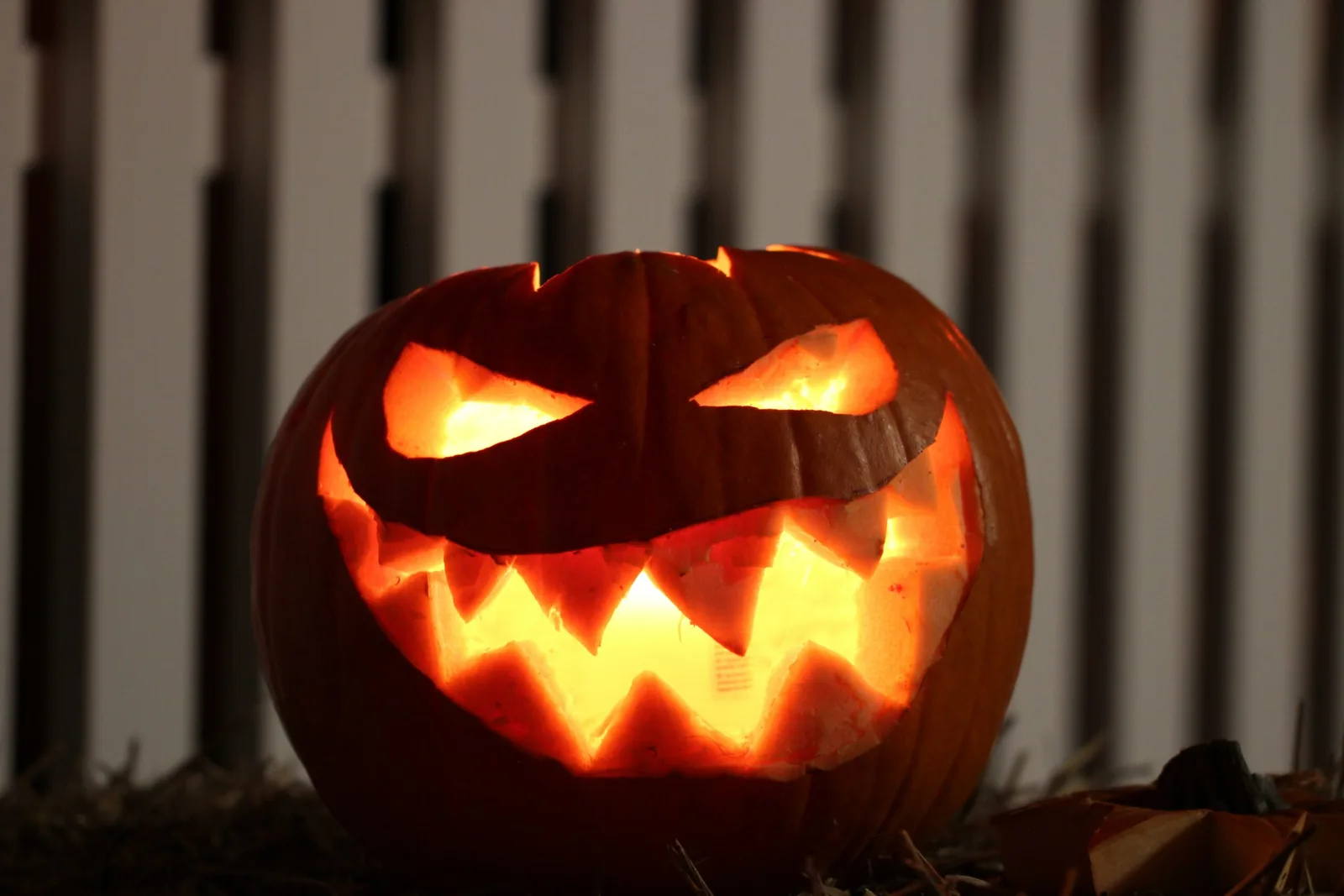
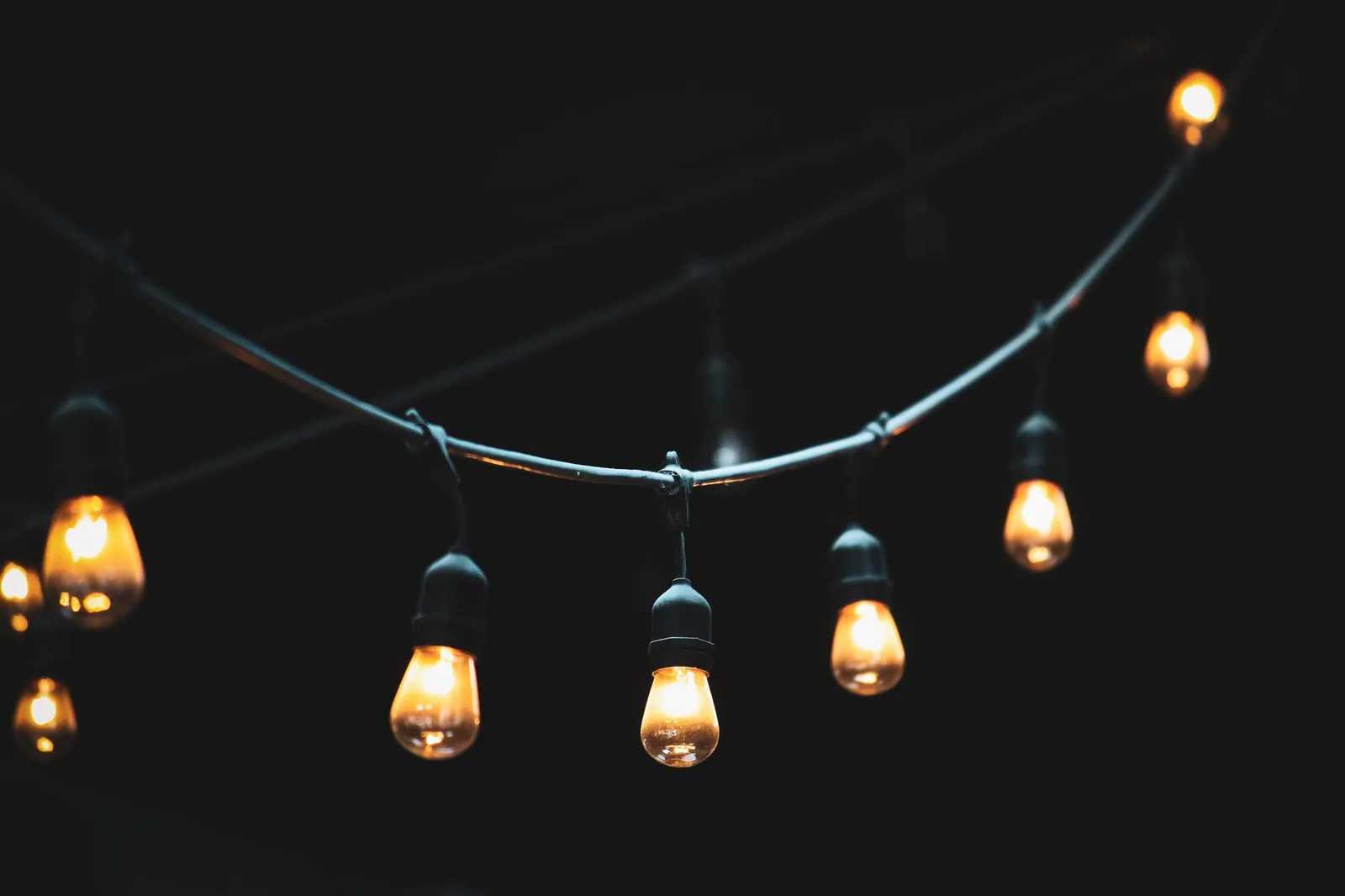
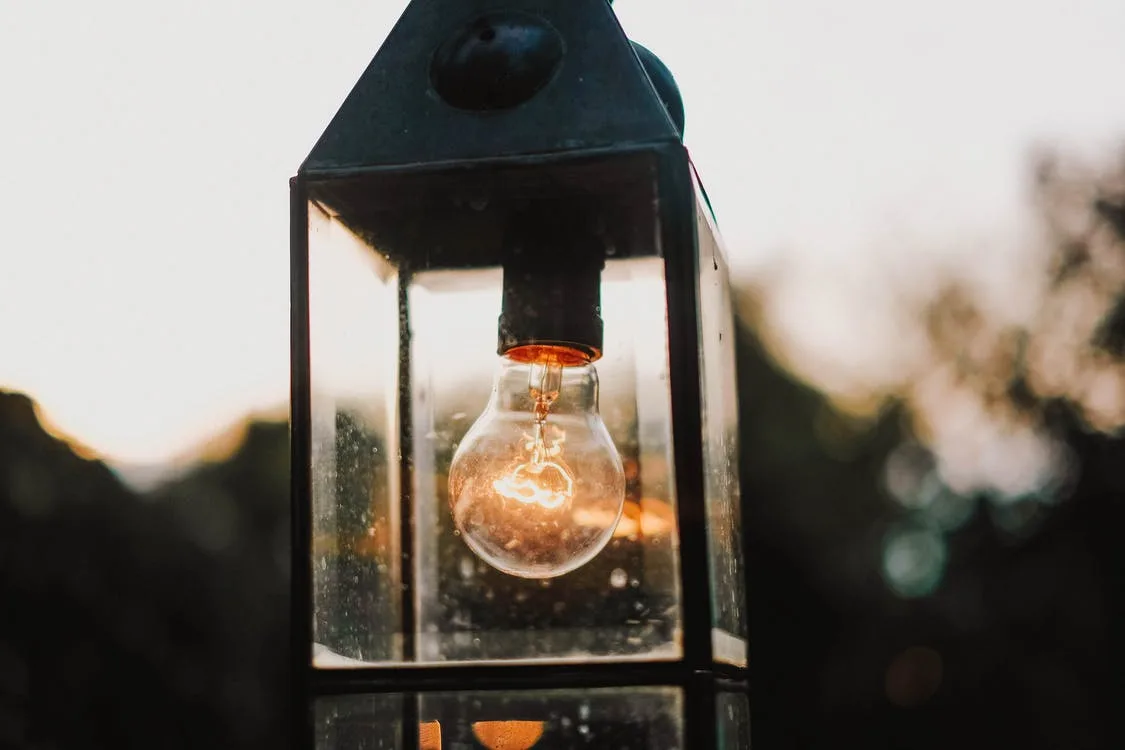
Decorative lights are the first of the two main sub-topics in this category. They’re about atmosphere rather than visibility, and they include string lights, fairy lights, rope lights, lanterns, hanging lights, tree lights, color-changing and twinkling lights, and novelty designs such as hummingbird lights. Seasonal lights for Christmas and Halloween, including inflatable decorations, also sit here.
What matters most for decorative lights
Look at the length of the run and the distance between the panel and the first light, because a short lead can force you to put the panel in shade. Check the lighting modes, since constant flashing modes can be charming on a holiday and tiring on a patio. Weather ratings matter for anything left outside through a season of sun, rain and wind.
Yard lights
Yard lights are the second main sub-topic, and they’re about seeing where you’re going and who’s coming up the drive. This group covers driveway lights, deck lights, spotlights, motion-sensor lights, dock lights, torch-style lights and post cap lights.
What matters most for yard lights
Brightness, beam direction and motion-sensor range matter more here than style. Lights set into a driveway or deck need to handle being stepped on or driven near, and dock lights need to tolerate moisture and splashing. If a light is meant for security, check how long it stays on after it’s triggered and how quickly it resets.
Sheds, shops, tubes and indoor lights
Some guides in this category cover lights for places the sun doesn’t reach directly, such as sheds, workshops and rooms indoors. These usually use a separate panel on a cable, so the panel can sit in the sun while the light sits inside. Solar tubes, which bring daylight through the roof, are a different kind of product, and any job that involves cutting into a roof should follow the manufacturer’s instructions and local codes, or go to a qualified installer.
Keeping solar lights working
A dirty panel is one of the most common reasons a solar light dims, so a gentle clean with water and a soft cloth goes a long way. Rechargeable batteries wear out over time, and replacing them with the same type and size can bring a tired light back. Placement matters too, because a few hours of shade from a tree, a fence or the side of the house can halve what the panel collects. In winter, shorter days and a low sun mean shorter runtimes, even for good lights.
Reading the specs without being fooled
Runtime claims usually assume a full day of strong, direct sun, so treat them as a best case. Lumens tell you more than a vague word like bright, and an IP rating tells you more than the word waterproof. Battery capacity, when it’s listed, is one of the most honest numbers on the box.