
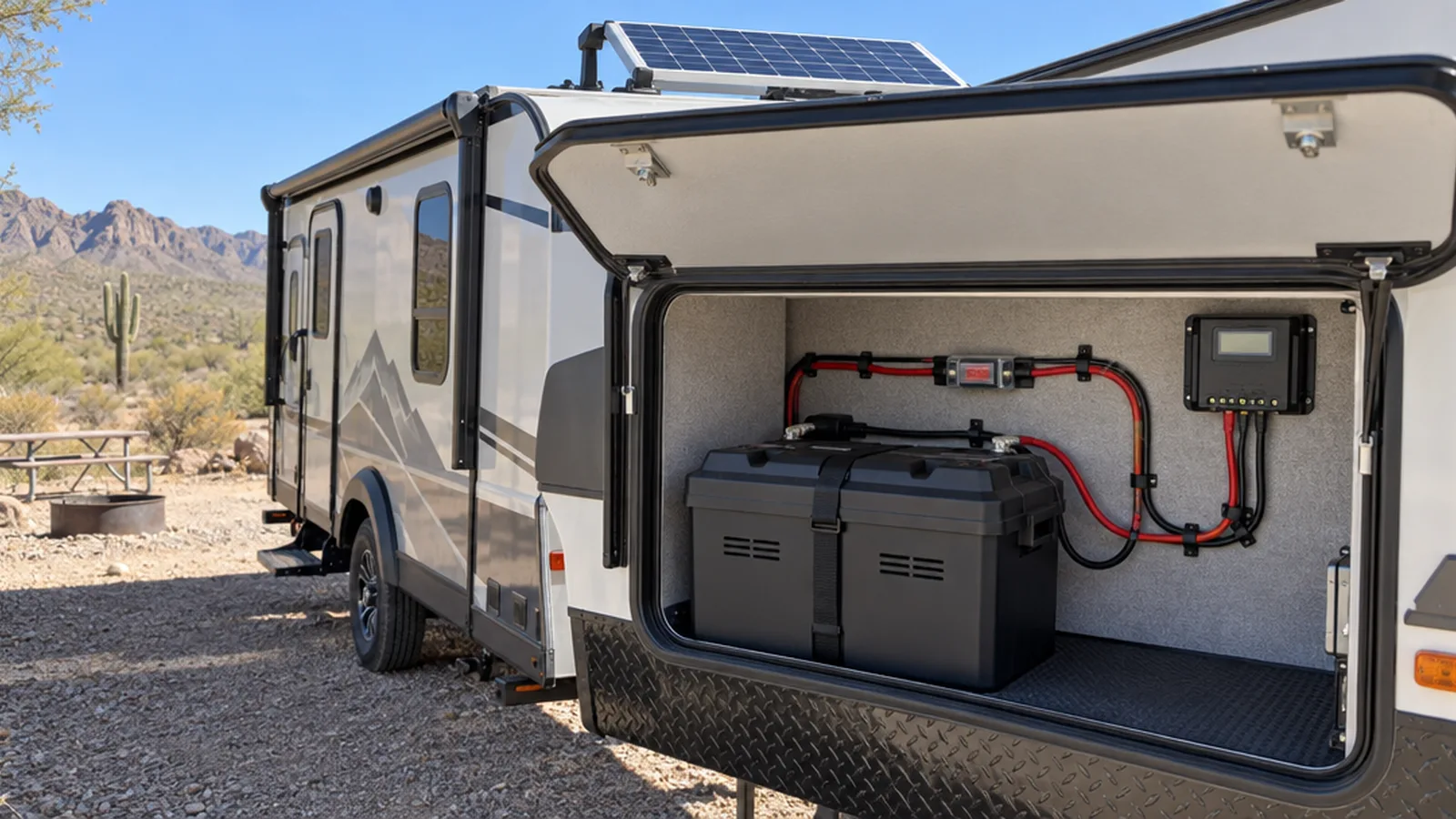
A solar panel on its own doesn’t store anything. The chargers, controllers and batteries in this category are what turn sunlight into power you can use after dark, on the water or at a campsite miles from an outlet. This is also the part of solar where small mistakes matter most, so every guide here keeps safety in view.
Trickle chargers and battery maintainers
Solar trickle chargers keep a battery topped up while a vehicle, boat or RV sits unused. They’re designed to offset slow self-discharge rather than to recharge a flat battery quickly. Our guides cover general trickle chargers, RV solar battery chargers and chargers for 24-volt systems, along with chargers suited to deep-cycle batteries.
What matters most for a trickle charger
Match the charger to the battery’s voltage and chemistry. Check whether it includes overcharge protection or needs a separate charge controller. Look at how it connects, because clamps, ring terminals and plugs each suit a different kind of installation.
Charge controllers
A charge controller sits between the panel and the battery and stops the battery from being overcharged. PWM controllers are simpler and cheaper, while MPPT controllers can collect more of a panel’s output, especially when panel voltage is well above battery voltage. This category also covers hybrid solar and wind controllers for systems that use both sources.
Rechargeable and deep-cycle batteries
Batteries come in many sizes, from the small rechargeable cells inside garden lights to large deep-cycle batteries for boats and RVs. Lead-acid, AGM and lithium batteries each have their own charging needs, so a charger or controller has to be set for the chemistry you actually use.
Matching a panel to a battery
One of the most common questions is what size panel a battery needs. The answer depends on the battery’s capacity and voltage, how deeply it’s discharged, how many hours of good sun you get and the losses along the way. Our explainers walk through that reasoning in plain steps rather than giving one number for every situation.
Solar generators and power stations
So-called solar generators are usually battery power stations that charge from solar panels and supply power through outlets and USB ports. Our guides look at larger units, including those rated around 10,000 watts, and explain what those ratings mean. If a power station is part of a backup plan that connects to a home’s wiring, that connection needs a proper transfer switch installed by a qualified electrician. If you pair solar with a fuel-burning generator, run that generator only outdoors and well away from doors, windows and vents.
Specialty solar chargers
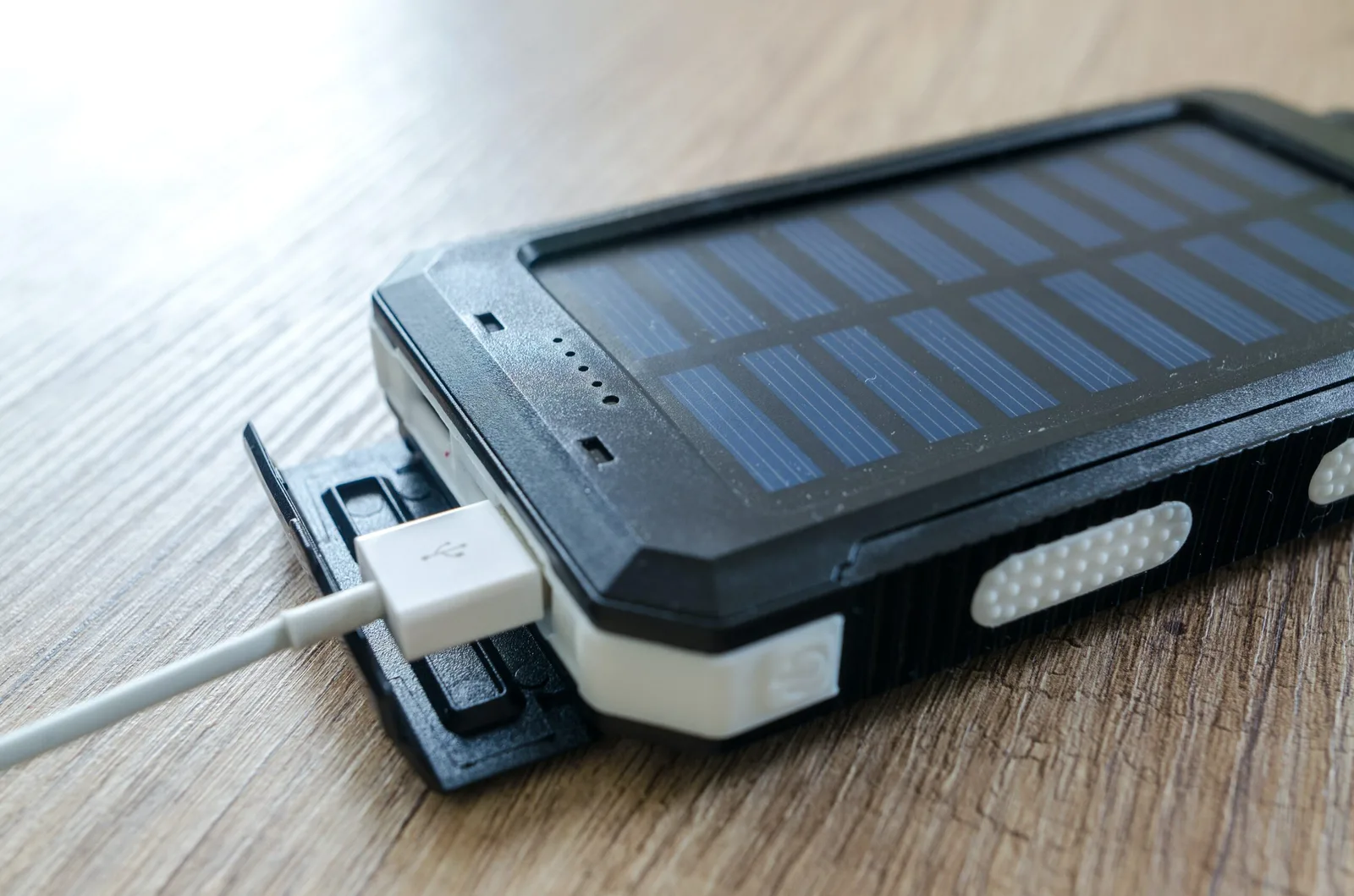
This category also covers solar laptop chargers, solar-powered plugs and solar fence chargers for livestock and gardens. For each one, the guides look at real charging speed, the devices it actually supports and how well it handles outdoor conditions.
Safety with batteries and chargers
Batteries store a lot of energy, and short circuits, overcharging and damaged cells can cause heat, fire or chemical leaks. Use correctly sized fuses and wire, follow the manufacturer’s instructions and keep batteries ventilated and protected from damage. For anything connected to a home’s electrical system, use a qualified electrician.